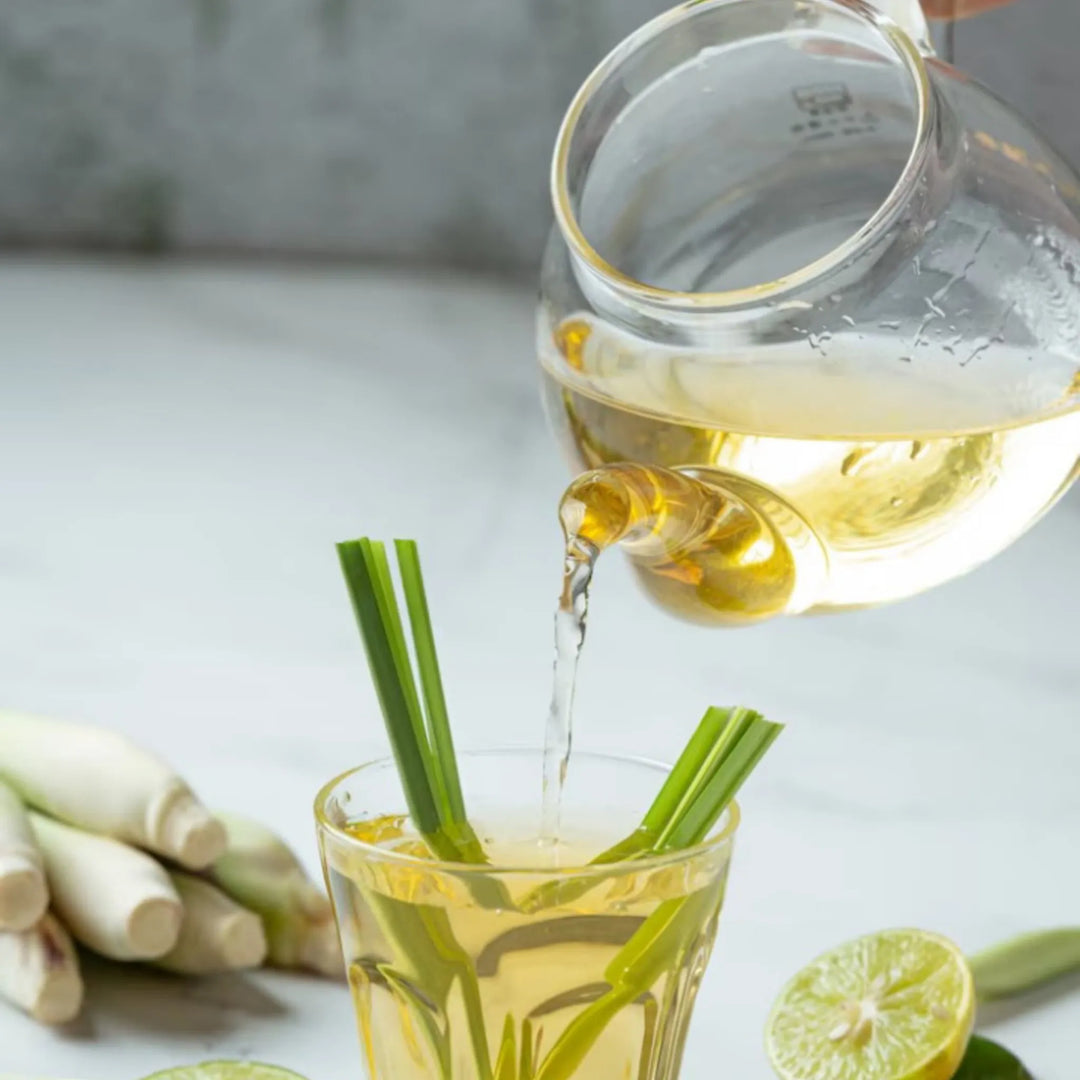





Decoding Chanca Piedra Liquid Extract Labels: Understanding Tinctures, Concentrates, and Alcohol-Free Options
Curiosity about chanca piedra often starts at the store shelf, where a single glance at a liquid extract label can spark dozens of questions. Phrases like "tincture", "alcohol-free", "concentrate", and "1:3 extract" are common across bottles, yet their true meanings often remain a mystery for shoppers. Navigating these terms is essential for making choices that fit your preferences and expectations. This guide cracks the code to the language used on chanca piedra liquid extract packaging, helping you identify differences in extraction methods, concentration ratios, and added ingredients. Whether you’re new to herbal wellness or simply want to make a more informed decision, understanding these labels is the first step toward confident comparison.
What Exactly Is Chanca Piedra Liquid Extract?
Chanca piedra, scientifically known as Phyllanthus niruri, is a tropical plant with a long history in wellness traditions. Liquid extracts capture the plant’s beneficial compounds in a portable, easy-to-use form. Available in tinctures and alcohol-free options, these extracts are designed for flexible use—often measured in drops or small quantities. Shoppers exploring kidney health often consider Stone Breaker Chanca Piedra - 15X Liquid Extract - Kidney Health as a potent and convenient form.
Deciphering "Tincture": Beyond the Buzzword
What Does “Tincture” Mean?
A "tincture" is a solution made by soaking plant material in a liquid solvent to transfer its desired plant constituents into the liquid. Most traditional tinctures use alcohol and water as the primary extracting agents. The choice of the solvent affects how well certain plant compounds are extracted and preserved.
Key Features of Tinctures
- Liquid Carrier: Traditional tinctures are primarily alcohol-based, sometimes supplemented with a small amount of water.
- Concentration: Tinctures are often concentrated, meaning a relatively small amount of raw plant material extracts into a modest amount of liquid.
- Label Clues: Look for terms like "ethanol extract," "hydroalcoholic extract," or simply "tincture."
Why alcohol? Alcohol is widely used because it is effective at extracting both water-soluble and fat-soluble phytochemicals, which can result in a broad range of plant compounds in the finished tincture. Those looking for other potent botanical solutions may find options such as the Soursop Leaf Graviola Extract - - Organic 15X Liquid Extract - Cell Renew & Immunity interesting for daily wellness routines.
Choosing "Alcohol-Free": What Does It Really Mean?
Alcohol-Free Extraction Methods
"Alcohol-free" on a chanca piedra liquid extract label typically indicates the absence of added alcohol in the finished product. Instead, brands may use other solvents such as:
- Vegetable glycerin: A clear, sweet liquid derived from plant oils, commonly used as an alcohol alternative for extracting plant compounds.
- Purified water: Sometimes used alone or in combination with glycerin to create milder extracts.
Many seeking alternatives use Papaya Leaf Extract - - Organic 16oz 15X Liquid Extract, especially when a non-alcoholic option fits their needs.
Who Is Alcohol-Free For?
Alcohol-free chanca piedra extracts are popular with people who avoid alcohol for personal, dietary, or lifestyle reasons. These extracts often taste sweeter and are sometimes labeled for use with children or those seeking a gentle option.
Label Language Tip: Watch for terms like “glycerite,” “glycerin-based extract,” or “non-alcoholic.” Some brands will clearly state that the extract contains no ethanol or denatured alcohol.

Concentrates and Ratios: Unlocking Potency Statements
Understanding Herbal Extract Ratios
Extract labels often display ratios such as “1:2,” “1:3,” or “1:5.” These numbers indicate the relationship between the quantity of raw plant material and the amount of liquid used during extraction.
How Ratios Work:
- A “1:3” ratio means one part of chanca piedra was mixed with three parts liquid carrier.
- A lower second number (e.g., “1:1”) implies a more concentrated product because more plant material is present per unit of liquid.
Important Note: A higher concentration doesn’t always mean better—it simply means the extract is more potent per milliliter. The ideal ratio depends on how you plan to use the extract and your personal preferences.
You may find Stone Breaker Chanca Piedra - Capsules 10X Extract 60/600mg - Kidney Health especially useful if you’re searching for high-potency ratios in capsule form.
“Concentrate” on the Label
If you see “concentrate” or “high-potency” on the packaging, it indicates that the product contains a greater amount of chanca piedra per dose, often achieved with higher ratios (such as 1:1 or 1:2) or through additional evaporation of liquid after extraction. Always check the manufacturer’s information to verify exactly what concentration means for each brand. Additionally, those who value cell renewal as part of their regimen may explore products like the Soursop Leaf Graviola Extract - - Organic 15X Liquid Extract - Cell Renew & Immunity.

Decoding Carrier Liquids & Additional Ingredients
Why Carrier Liquids Matter
Carrier liquids are crucial as they dissolve and stabilize the extracted plant compounds. The most common carrier liquids in chanca piedra liquid extracts include:
- Alcohol (ethanol): Efficient at extracting and stabilizing a wide range of plant compounds.
- Vegetable glycerin: Milder and sweeter, suitable for alcohol-free formulas.
- Water: Often included in combination with the above to balance extraction strength and taste.
When comparing carrier liquids or seeking gentle alternatives, some users turn to Papaya Leaf Extract - Organic 1oz 15X Liquid - Blood Platelet.
Identifying Additives and Preservatives
Some extracts include additional ingredients to improve flavor, stability, or shelf life. These may include:
- Natural flavors: To enhance palatability
- Citric acid: For maintaining product stability and pH balance
- Potassium sorbate or sodium benzoate: Common food-grade preservatives
- Organic cane alcohol: Indicates the alcohol comes from certified organic cane sources
It’s helpful to read the “other ingredients” list on the label to know exactly what you’re consuming, especially if you have dietary restrictions or preferences. Those interested in broader immune and cell support may also look at Cell Renew - 1oz 15X Liquid Extract - Immunity & Cell Health.

Organic & Certification Claims: Sorting Fact from Hype
Organic Chanca Piedra
Many brands highlight “organic” status on their labels. This typically means the chanca piedra was grown without synthetic pesticides or chemical fertilizers, and has met national or regional organic standards. Look for certifications such as:
- USDA Organic
- EU Organic
- Certified Organic by third-party organizations
Those preferring plant-based, organic, or vegan options will notice certifications featured on bottles of products like Papaya Leaf Extract Blood Support - 10X 60/450mg Capsules - Blood Platelet, aligning with various dietary and ethical preferences.
Non-GMO and Other Label Badges
Other common claims include:
- Non-GMO: Indicates the extract is made from plants not genetically modified.
- Vegan: No animal-derived ingredients in the extract.
- Gluten-Free: Free from gluten-containing ingredients and not processed in facilities that handle gluten.
- Fair Trade: Sourced from growers paid fair wages and operating in ethical conditions.
Tip: Always look for certification symbols, not just wording, to verify these claims.
Shelf-Life and Storage: How to Read Expiry Information
Expiry Date vs. Best-By Date
Most reputable brands include an expiration or best-by date on light-resistant bottles, usually on the bottom or side of the label. This marks the date after which the product may not maintain its intended quality for taste, aroma, or appearance.
Batch Numbers and Traceability
Some liquid extracts feature batch or lot numbers—these allow buyers to trace their product to a specific production run. If freshness and sourcing are important to you, these codes add assurance and transparency. Carefully formulated extracts, such as Stone Breaker Chanca Piedra - 15X Liquid Extract - Kidney Health, often highlight traceability and expiration details on their labels.
Storage Recommendations
Labels will commonly advise how to store the bottle for best results, such as “store in a cool, dry place” or “refrigerate after opening.” Proper storage extends the extract’s shelf life and preserves flavor and potency.
Reading Labels for Informed Decisions
Understanding the story told by a chanca piedra liquid extract label requires just a little patience and some basic knowledge of label terms. Here are practical steps for reading and comparing products:
Key Steps for Comparison
- Identify the extraction method: Tincture (alcohol-based) or alcohol-free (glycerin/water)?
- Check the concentration ratio: Higher concentrations mean more plant material, but not necessarily higher quality.
- Review carrier liquids and additives: Are you seeking a specific taste, texture, or allergen-free formula?
- Confirm certifications: Look for credible organic, non-GMO, and vegan badges.
- Assess shelf-life information: Check best-by dates and storage needs.
By looking beyond buzzwords and understanding the meaning behind the terms, you can choose the chanca piedra extract that matches your preferences with clarity and certainty.
FAQs:
- What does 'tincture' mean on a chanca piedra liquid extract label?
A 'tincture' is a type of extract made by soaking the chanca piedra plant in a mixture of alcohol and water. This process draws out a wide range of plant compounds into the liquid. Tinctures are known for being concentrated and shelf-stable, with the solvent (alcohol) acting as a natural preservative.
- How is an alcohol-free chanca piedra extract made?
Alcohol-free chanca piedra extracts typically use vegetable glycerin or purified water as solvents instead of alcohol. These methods extract different plant compounds and result in a milder, sometimes sweeter product. The finished extract will usually state 'glycerite,' 'glycerin-based,' or 'non-alcoholic' on its label.
- What do the ratios like 1:2 or 1:3 mean on extract labels?
Extract ratios like 1:2 or 1:3 indicate the amount of raw chanca piedra plant material used in relation to the amount of carrier liquid. For instance, a 1:3 ratio means one part chanca piedra is extracted in three parts liquid. Lower ratios (like 1:1) are more concentrated.
- What is the difference between organic and conventional chanca piedra extracts?
Organic chanca piedra extracts are made from plants grown without synthetic pesticides or fertilizers. Certified organic products are verified by organizations like the USDA or EU, providing assurance about growing and processing standards.
- Are there additives in liquid herbal extracts?
Some liquid herbal extracts include additives to enhance flavor, stability, or shelf life. Common additives may include natural flavors, citric acid, or food-grade preservatives. Always review the 'other ingredients' section on the label for specifics.
- How should I store my chanca piedra liquid extract?
Store chanca piedra liquid extracts in a cool, dry place away from direct sunlight. Check the label for specific instructions—some may advise refrigeration after opening to maintain product quality and taste.
Author Name:
Herbal Goodness Editorial Team
Author Bio:
The Herbal Goodness Editorial Team specializes in holistic health and superfoods, blending science and nature to educate and empower our community.
References:
Introducing Graviola to Young Taste Buds: Fun, Family-Friendly Flavor Exploration
Graviola in the Classroom and at Home: Creative Activities to Teach Kids About Tropical Plants